- by Sangita saha
- 2024-02-21 10:06:36
-

-
-
Loading
Loading
Loading

While the intensity of rainfall is becoming a source of annoyance in Bengal, the situation is steadily worsening across most of the country. The southwest monsoon has lost momentum, causing concern among meteorologists. A report released by the India Meteorological Department (IMD) for the second week of September indicates that the country received 44.3 mm of rainfall between September 1 and 9, against a normal average of 59.9 mm for this period—resulting in a deficit of 26 percent. Cumulatively, from June 1 to September 9, the country received 648 mm of rainfall compared to the normal 760.6 mm, marking a 15 percent deficit for the monsoon season so far; this deficit stood at 14 percent at the end of August, indicating that the shortfall is widening over time.
Several agrarian states, such as Rajasthan, Bihar, and Chhattisgarh, are facing rainfall deficits. The situation in Andhra Pradesh is particularly concerning. During the first nine days of September, Andhra Pradesh—along with parts of Tamil Nadu, Kerala, Karnataka, Telangana, and Chhattisgarh—received below-normal rainfall. Recent reports show that nearly half of the country's districts have recorded rainfall below the average, raising concerns regarding water levels in reservoirs and the availability of water for irrigation.
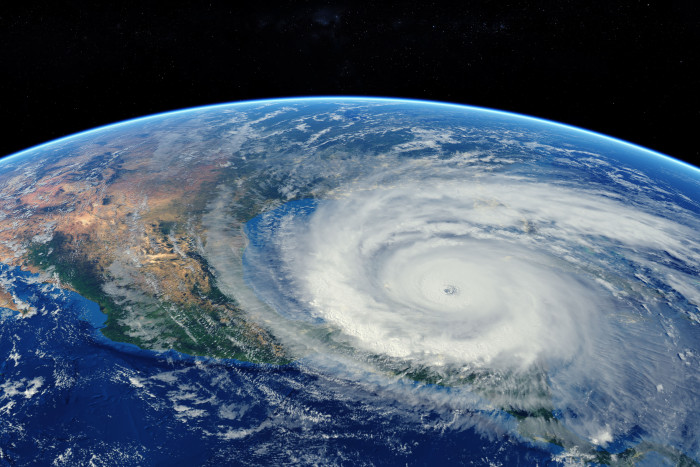
Satellite imagery also reflects the monsoon's weakness. Images from September 10 show relatively thin cloud cover over vast areas of western, central, and northern India, although active cloud clusters persist over the Bay of Bengal and adjacent regions due to a low-pressure system. The Meteorological Department has indicated the likelihood of a new low-pressure area forming over the North Bay of Bengal, bringing the prospect of heavy to very heavy rainfall to Odisha and Chhattisgarh. However, it is feared that while isolated areas may experience intense rain, it will not be sufficient to offset the overall national deficit.
The status of water reservoirs has thus become a critical issue. Many of the country's major reservoirs rely on monsoon rainfall to store water, which is subsequently utilized for irrigation, drinking water supply, and power generation. A prolonged rainfall deficit can place significant strain on these reserves. Securing adequate water supplies could prove particularly challenging for states that require substantial irrigation not only for the *Kharif* crop but also for the upcoming *Rabi* season. Consequently, both the total volume of rainfall and its geographical distribution over the remainder of the season have become crucial factors.
The monsoon has not yet fully withdrawn. Therefore, there remains a possibility of recovering some of the deficit should a low-pressure area or an active monsoon system develop in the coming weeks. However, time is running out; all eyes are now fixed on whether the monsoon can stage a turnaround in this final phase.

.webp)
.webp)